The End of Disposable Infrastructure
A Texas technology is challenging a trillion-dollar assumption about industrial waste.
We got a question from Investment Bank -
"What is it that you do that the rest of the world doesn't?"
It is a question every entrepreneur eventually faces.
Not from investors. Not from customers.
From reality.
The uncomfortable truth is that most companies do not create new industries. They compete within existing ones. They offer marginally better prices, marginally faster service, or marginally improved delivery.
The world rarely changes because somebody cleaned something faster.
Yet in the oil fields of West Texas, a technology developed for one of industry's most overlooked problems may represent something far more significant than a cleaning process.
It challenges a deeply embedded assumption that has governed industrial asset management for decades:
That contamination inevitably leads to disposal.
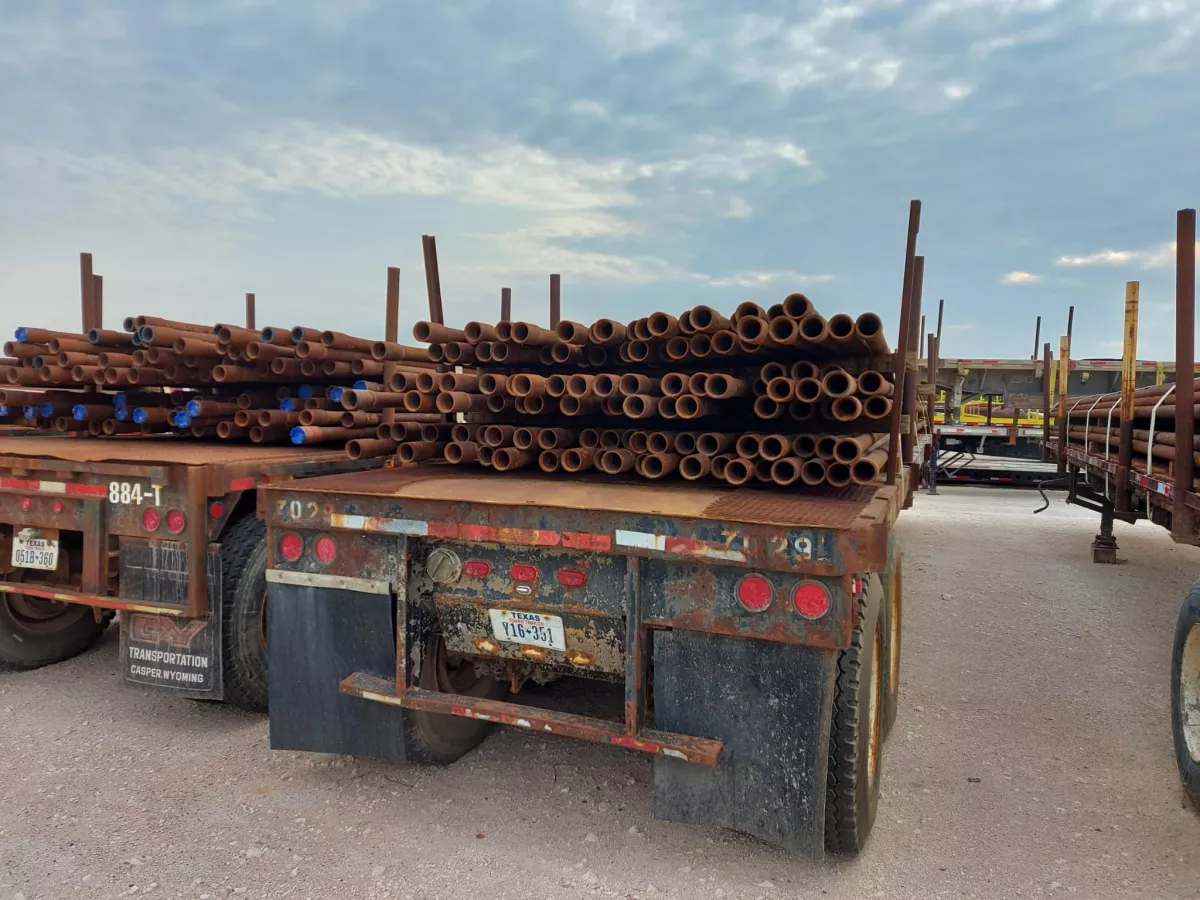
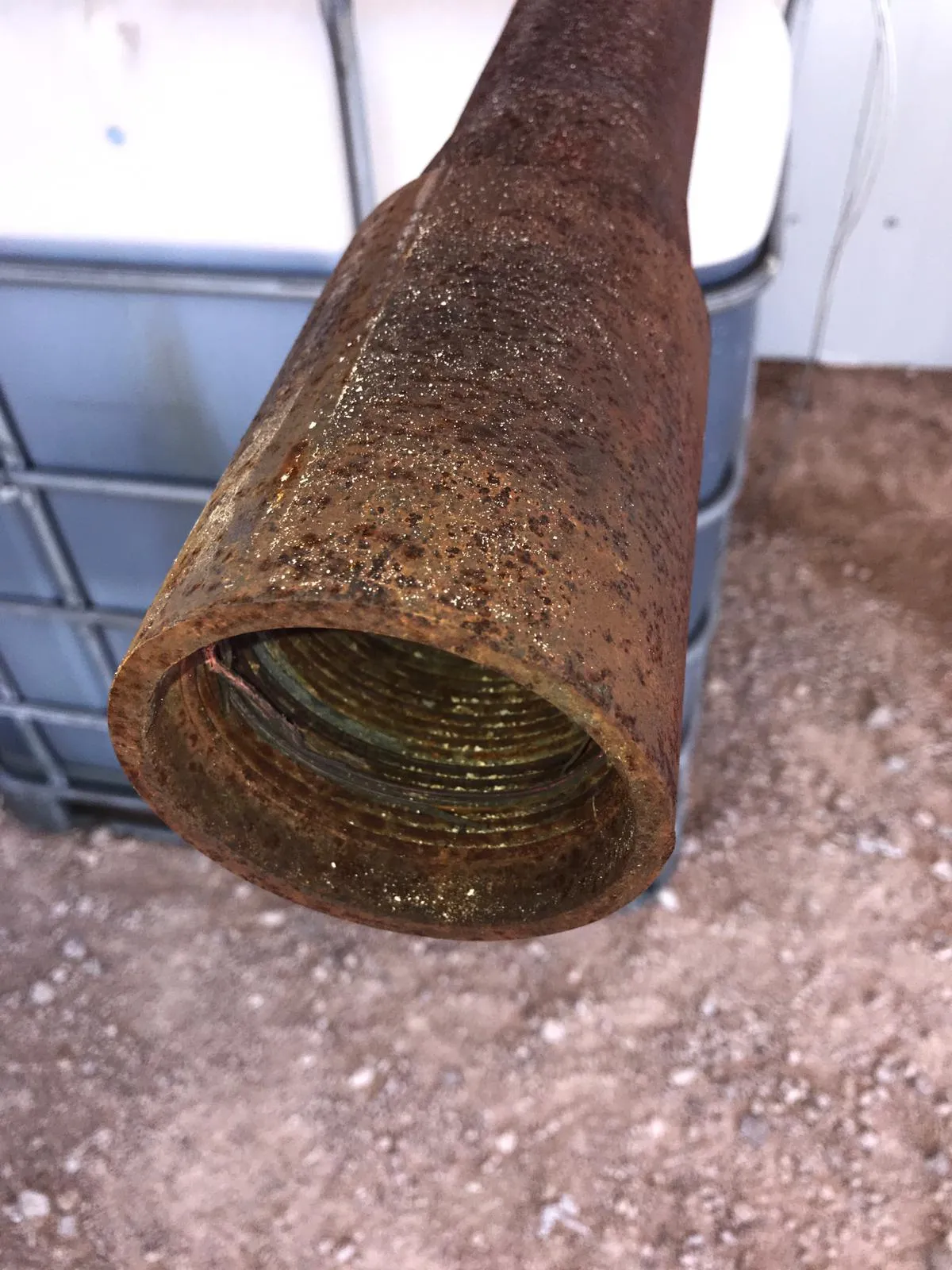
For generations, when critical industrial equipment became heavily contaminated with Naturally Occurring Radioactive Material (NORM), operators faced a binary choice. Dispose of the asset at significant cost or attempt remediation using methods that frequently damaged the equipment itself.
The result was a linear economic model: manufacture, use, contaminate, dispose.
The process generated waste, regulatory liability, environmental burden and continuous capital expenditure.
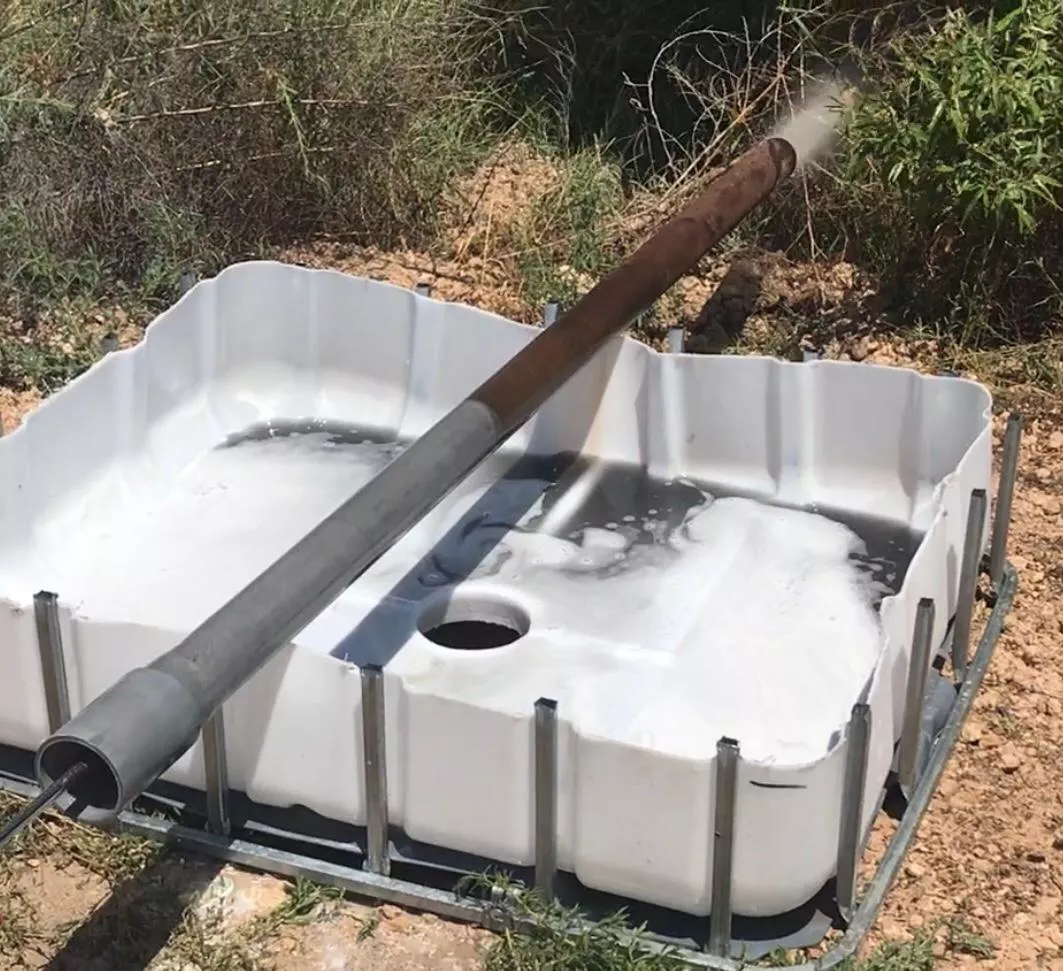
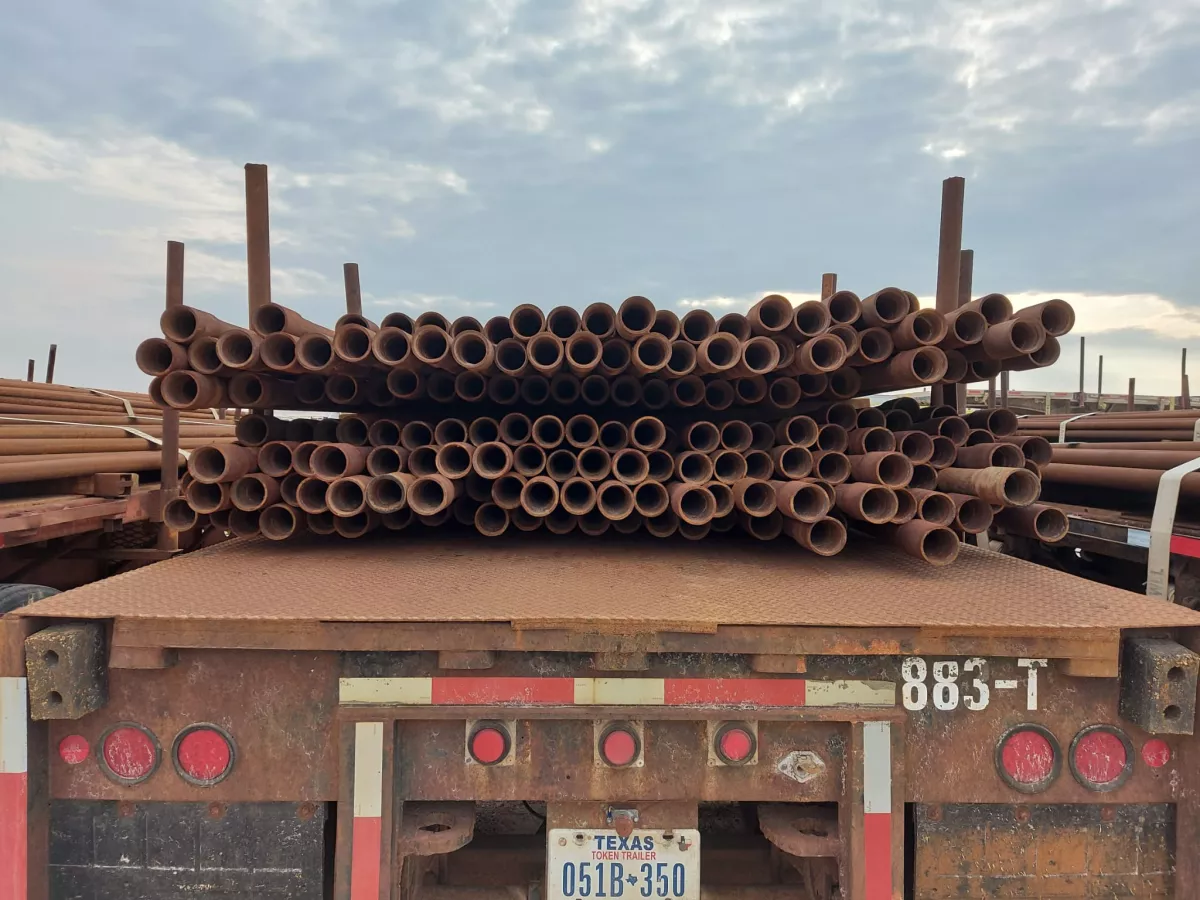
The Texas Permian Basin provides one of the clearest examples of this challenge. Electrical Submersible Pump (ESP) systems, the hidden workhorses of modern oil production, operate in some of the world's most aggressive environments. Over time, radioactive scale, heavy hydrocarbons, paraffins and mineral deposits accumulate within intricate internal geometries that traditional cleaning methods struggle to reach. Many components eventually become candidates for disposal rather than recovery.
What makes the REVO-CLEAN™ approach noteworthy is not that it removes contamination.
Many technologies can remove contamination.
What makes it noteworthy is that it aims to preserve the economic value of the asset while doing so.
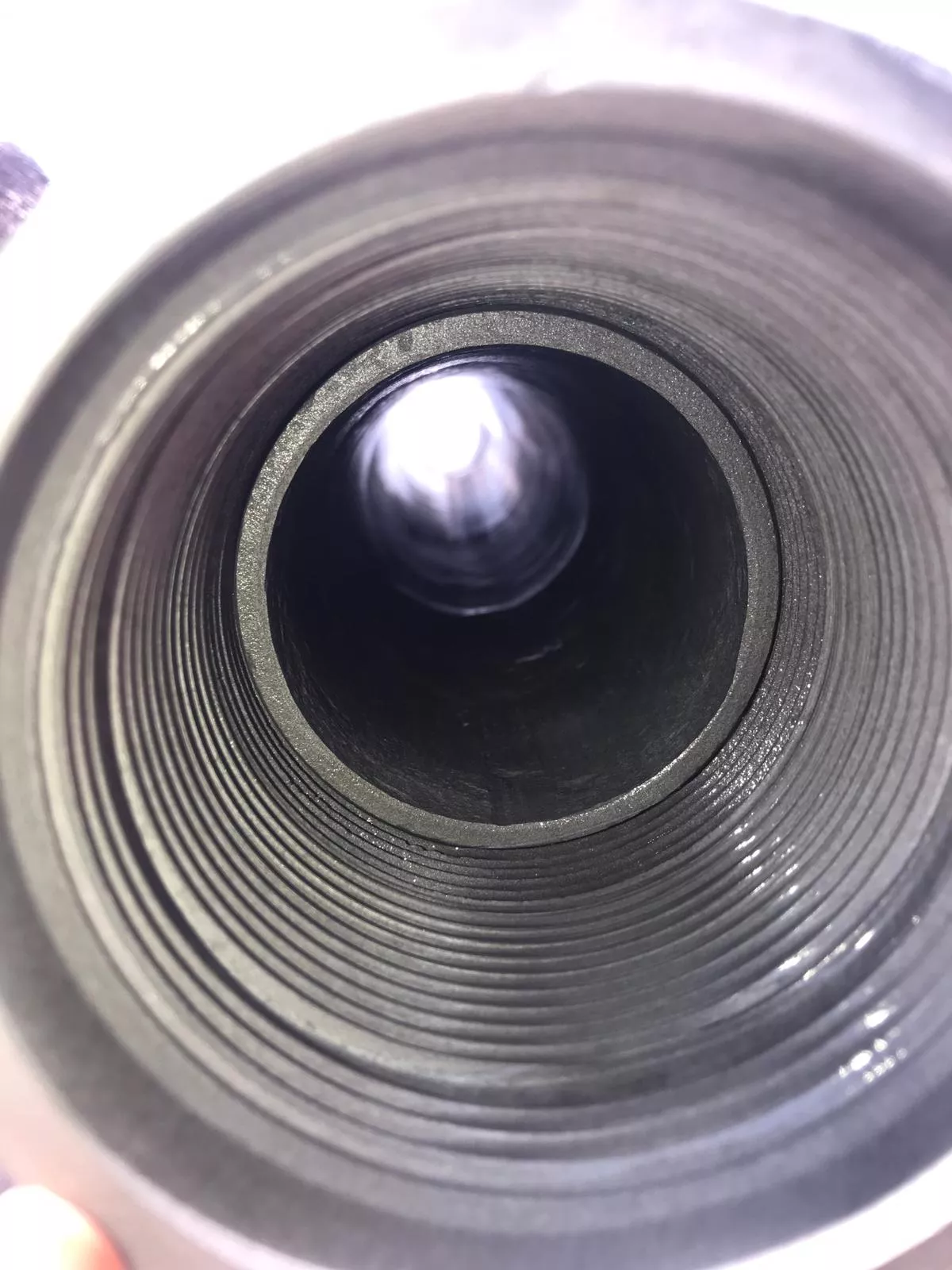
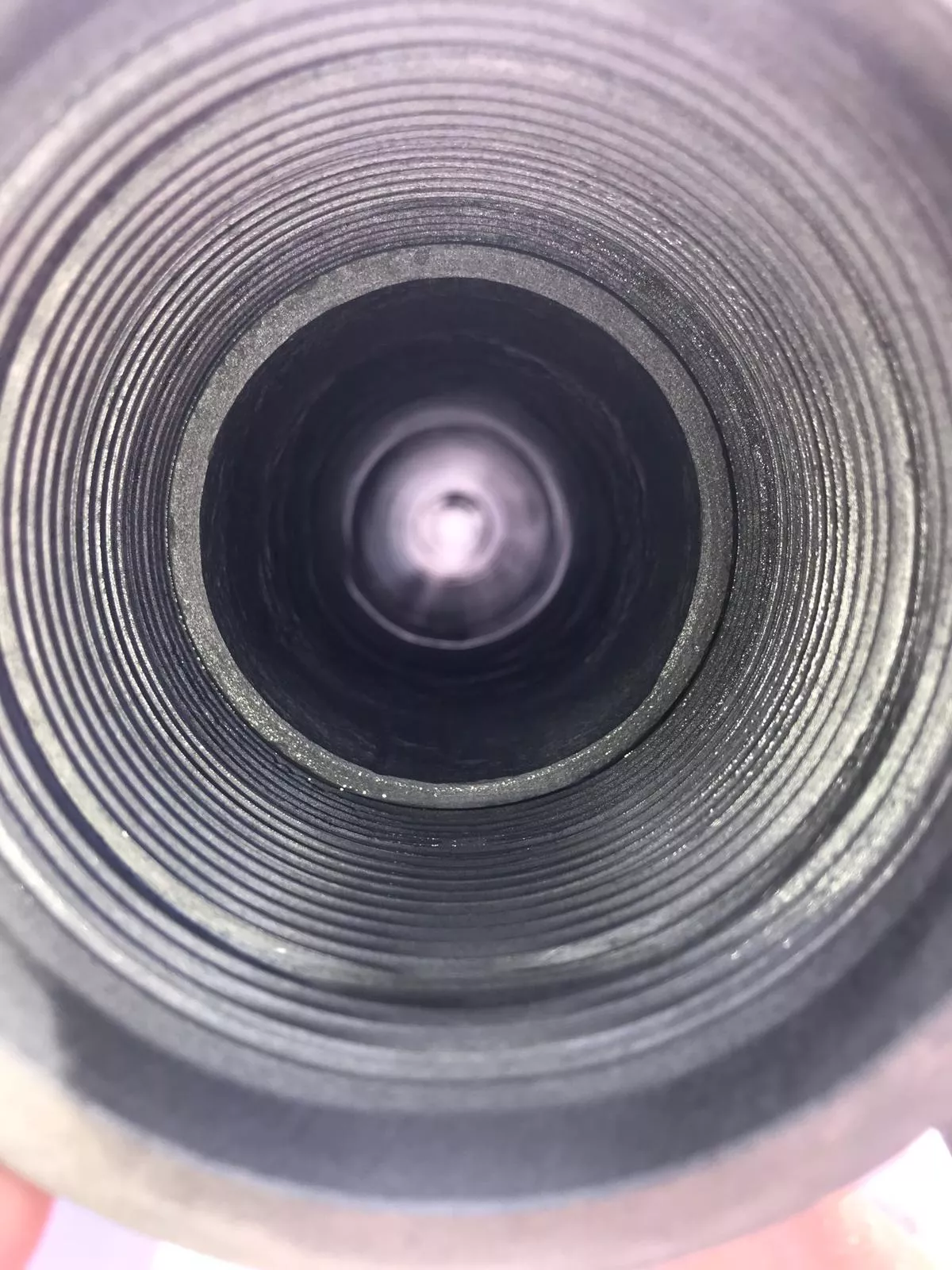
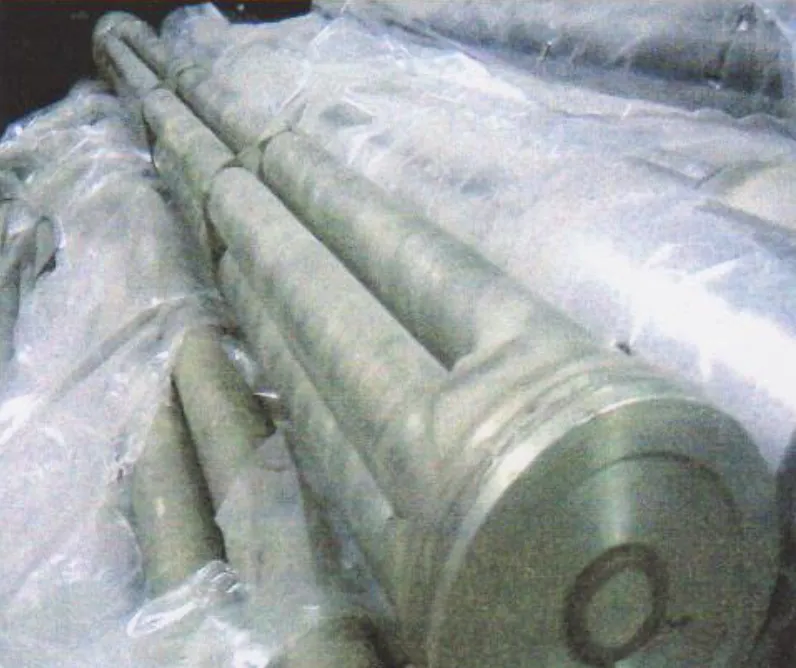
According to field data from Texas, contaminated ESP components were returned to a clean-metal condition while maintaining full wall integrity and preserving the micro-tolerances required for operational performance. The process reportedly reduced turnaround times from days or weeks to hours while eliminating liquid radioactive waste streams through a closed-loop system.
That distinction matters.
Because when an industrial asset is recovered instead of discarded, the value proposition changes completely.
The innovation is no longer decontamination.
The innovation becomes capital preservation.
In a world facing mounting pressure to reduce waste, lower emissions and improve resource efficiency, the economic implications extend beyond the oil and gas sector.
Nuclear decommissioning, mining, industrial manufacturing, power generation and critical infrastructure all confront the same fundamental challenge: how to separate contamination from value.
Historically, the contaminant and the asset have been treated as one and the same.
The emerging model treats them differently.
The contamination becomes the waste.
The asset remains the asset.
In the Texas deployment, radioactive contaminants were concentrated into a compact dry residue while the underlying equipment was returned to service. This dramatically reduced waste volumes and avoided the creation of secondary liquid radioactive waste streams.
Viewed through this lens, the technology is not a cleaning system.
It is a waste-minimisation platform.
It is an asset-recovery platform.
It is a circular-economy platform for heavy industry.
And perhaps most importantly, it asks a question that industries worth trillions of dollars have rarely considered:
What if the most valuable asset in the world is not the one you manufacture next, but the one you thought you had to throw away?
That is not a better cleaning service.
That is a different economic model.